



What Is a Gold IRA and Why Consider Physical Precious Metals?
A gold IRA is a type of self-directed IRA designed to hold physical precious metals such as gold, silver, platinum, and palladium within an IRS-approved depository. Unlike traditional IRAs that typically invest in mutual funds, stocks, and bonds, a self-directed gold IRA gives you access to tangible precious metals. Investors hold gold in an IRA mainly to diversify away from stocks and bonds. Gold pays no dividends or interest, offers no guaranteed inflation protection, and its price can fall for years at a time.
Key Benefits of a Physical Gold IRA
- Diversification: Add physical metals to balance traditional paper assets in your retirement plan.
- Risk Management: Precious metals may help during market volatility and economic uncertainty.
- Tangible Assets: Hold physical gold rather than solely paper claims.
- Tax Advantaged: Keep eligible metals in a tax-advantaged retirement account.
- Control: A self-directed IRA allows you to choose approved precious metals according to IRS rules.
How a Gold IRA Works
At its core, a gold IRA invests in IRS-approved metals. A qualified custodian buys IRS-approved gold with your rollover funds and places it in an IRS-approved depository. IRS rules bar you from storing the metals at home while they sit inside your IRA. The retirement account remains a tax-advantaged vehicle.
Physical Gold IRA Rollover Options
A physical gold IRA rollover moves funds from another retirement account into a new gold IRA. You can roll over funds from a 401(k), traditional IRA, Roth IRA, 403(b), or similar plans. There are two main methods:
Direct Rollover
Your current plan administrator sends money directly to your new gold IRA custodian. No mandatory withholding, no risk of creating taxable income. This is the simplest and recommended method.
Indirect Rollover
The distribution is paid to you first, and you must deposit the funds into your new gold IRA within 60 days. If you miss the 60-day deadline, the IRS treats the distribution as taxable income and may add a 10% penalty if you are under 59½.

Step by Step: How to Rollover an IRA to Gold
- Decide on Your Account Type: Choose between a traditional gold IRA or a Roth gold IRA based on your tax situation.
- Select a Reputable Company: Partner with a gold IRA company that provides education, transparent pricing, and quality service.
- Open Your Self-Directed IRA: Complete the application and confirm fee disclosures.
- Initiate the Rollover: Request a direct rollover to avoid withholding and tax traps.
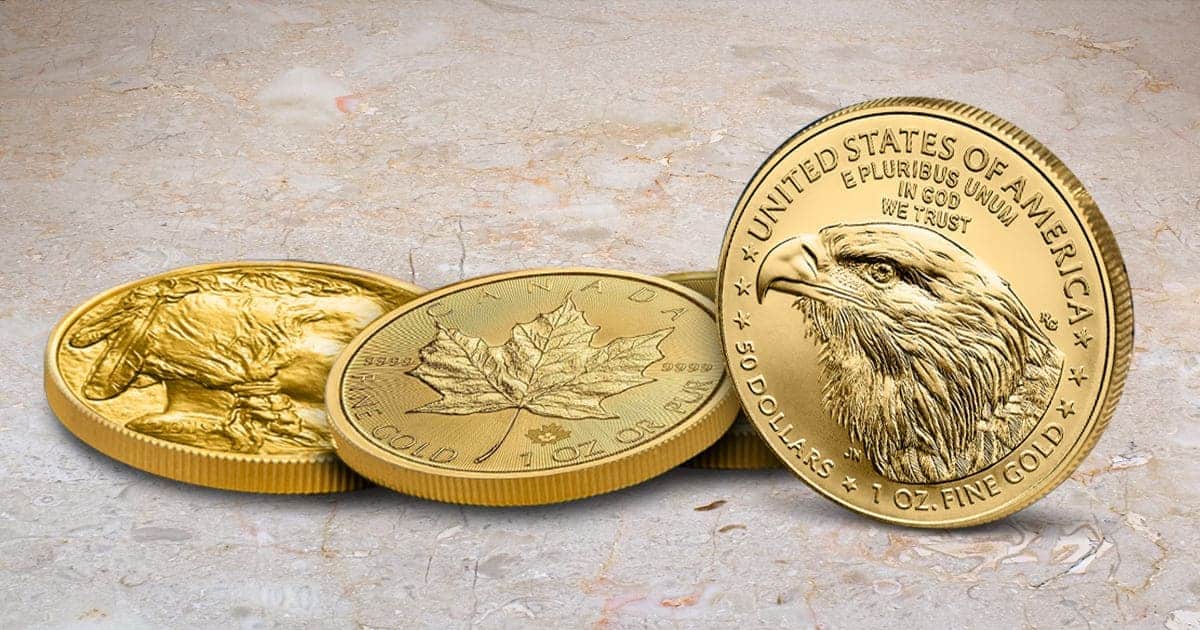
- Choose IRS-Approved Metals: Select approved gold such as American Gold Eagles or Canadian Maple Leafs.
- Arrange Secure Storage: Your custodian places metals in an IRS-approved depository.
Gold IRA Rules and IRS Guidelines
- Eligible Metals: IRS-approved gold bullion must be at least 99.5% pure (0.995 fineness). Silver must be 99.9% pure, and platinum and palladium 99.95%. American Gold Eagles are allowed under a statutory exception, and most collectible coins do not qualify.
- Storage: Must use an IRS-approved depository. No home storage.
- Prohibited Transactions: Cannot buy from or sell to yourself or disqualified persons.
- RMDs: Traditional IRAs require minimum distributions beginning at the statutory age.
- Rollovers: Follow the 60-day rule for indirect rollovers. Use direct rollovers when possible.
Costs, Fees, and Liquidity
- Annual Maintenance Fees: Custodians charge annual fees to administer a self-directed IRA.
- Storage and Insurance: Annual costs for secure depository storage.
- Dealer Spreads: Gold coins and bars may have markups over spot price.
- Transaction Fees: Fees for buying, selling, and shipping metals.
- Liquidity: Your custodian sells the metal back to a dealer and sends you the proceeds, and may charge a sale spread and a transaction fee.
Choosing a Reputable Gold IRA Company
Check four things before you choose a gold IRA company: a written fee schedule, the buyback policy, the named depository and its insurance coverage, and the complaint record with the BBB. Then confirm that the company has handled direct rollovers from 401(k) plans and IRAs before.
How Much Gold Belongs in a Retirement Portfolio?
Your allocation to precious metals depends on risk tolerance, time horizon, and liquid cash needs. Some investors hold a modest portion to complement paper assets, while others raise it during market volatility, which adds concentration risk and storage cost. A financial advisor can help you set a balanced range.
Common Mistakes to Avoid
- Buying Unapproved Products: Only IRS-approved metals qualify.
- Home Storage: Do not store IRA-owned metals at home.
- Missing the 60-Day Window: Complete an indirect rollover within 60 days, or the IRS counts it as a taxable distribution.
- Ignoring Fees: Understand all cost components before committing.
- Inadequate Documentation: Keep records of all transfers, forms, and invoices.